What you'll see
- Observation towers over ponds full of waterbirds
- Dykes and cycle paths between the pond complexes
- Autumn carp harvests, a tradition since the Middle Ages
About the place
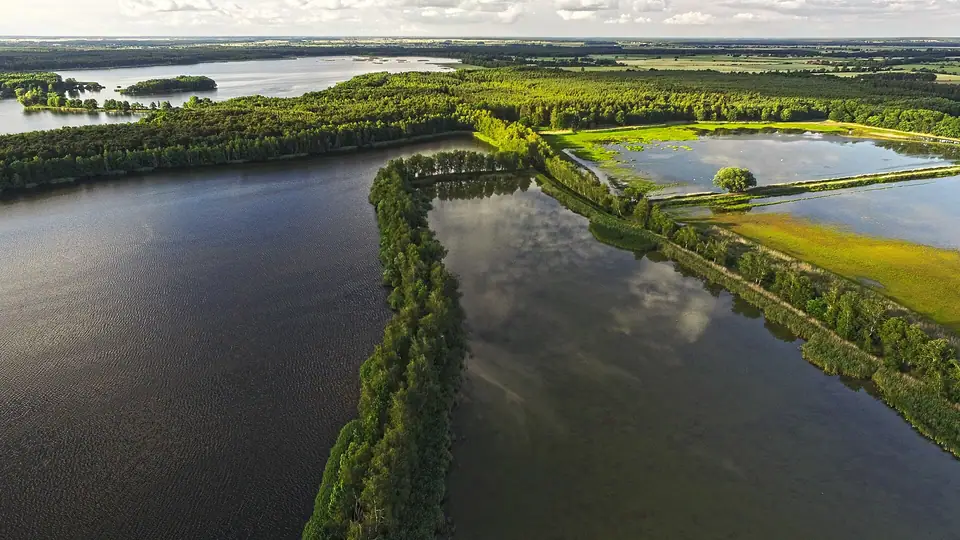
The Milicz Ponds are a vast complex of fish ponds in the Barycz valley, about 285 ponds covering some 77 km². Carp have been farmed here since the Middle Ages, and the autumn harvests continue today.
In 1963 a nature reserve of about 53 km² was created on part of the area. Since 1995 the ponds have been a Ramsar site, a wetland of international importance, and since 1996 part of the Barycz Valley Landscape Park.
Over 270 bird species have been recorded here, 137 of them nesting in the reserve, including white-tailed eagles, grebes and cormorants. It’s best explored by bike or on foot along the dykes, stopping at the observation towers.
Our tips
- Spring and autumn migrations bring the most birds.
- Birds are most active in the morning and before sunset, so don't come at midday.
- Bring binoculars and mosquito repellent; mosquitoes can be fierce in summer.
Getting there
The ponds lie between Milicz and Żmigród, about 55 km north of Wrocław. Drive there and explore by bike. Good starting points are Milicz, Sułów and Ruda Sułowska.
Opening hours and prices can change. Check them before you go.
Where to stay nearby
The closest bases and their distance from this attraction.
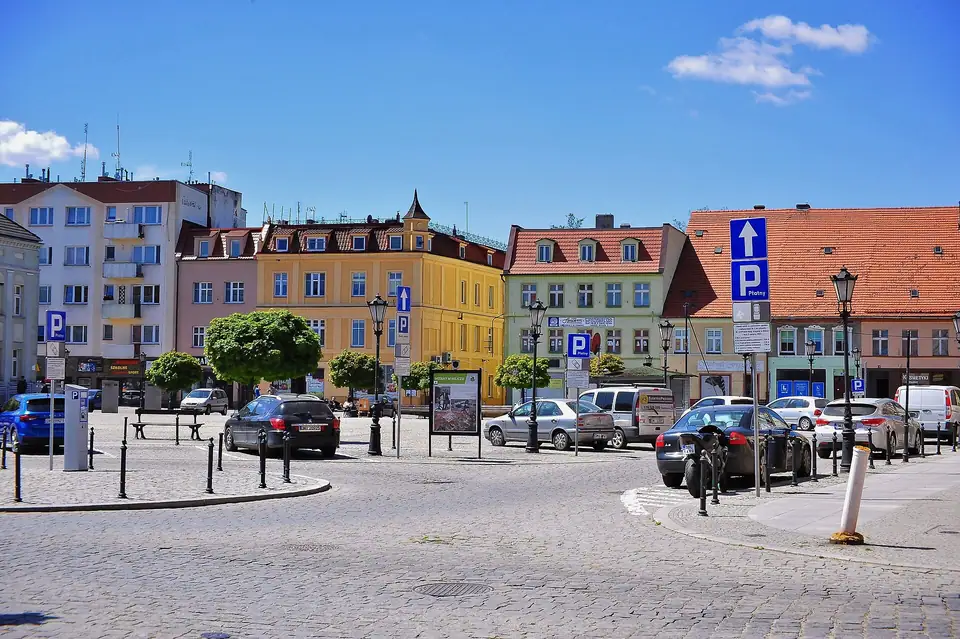
Milicz and the Barycz Valley
Farm stays and small hotels by the ponds: a base for cycling and birdwatching.
6 attractions within 30 km
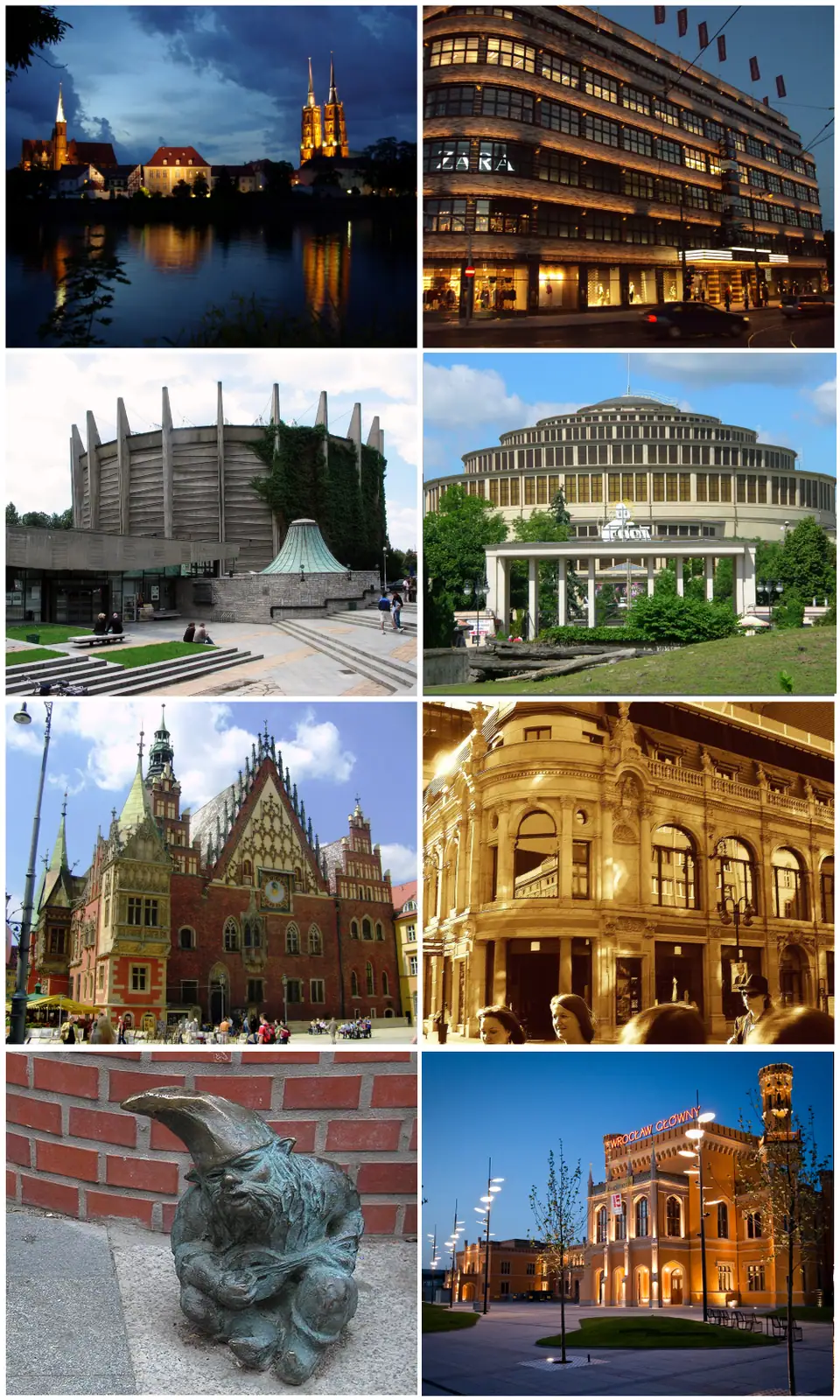
Wrocław
The best base for a first visit: airport, station and dozens of sights a tram ride away.
27 attractions within 60 km
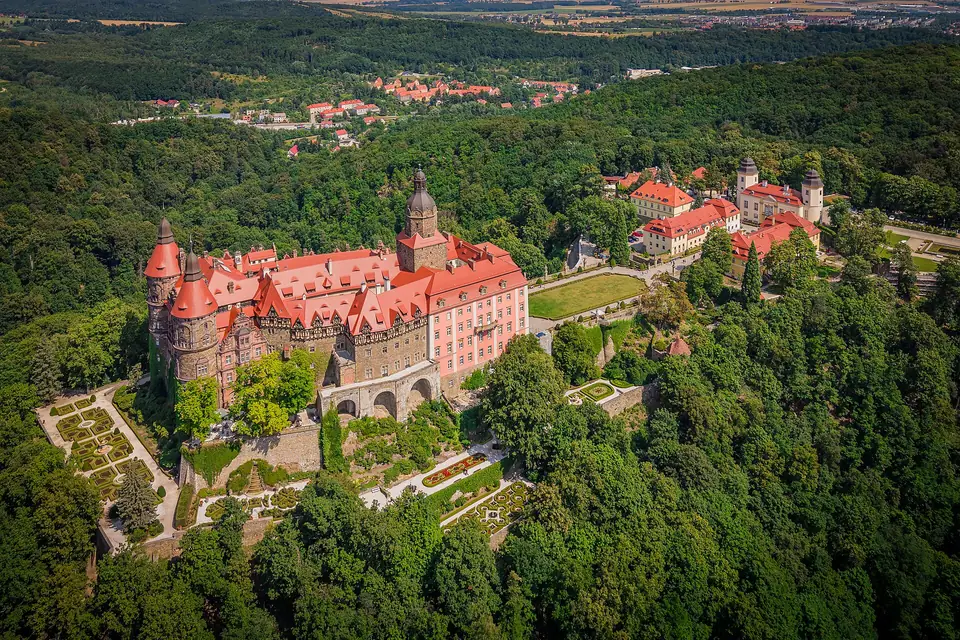
Wałbrzych and the Książ area
The most central base in the Sudetes: Książ, Riese, Świdnica and Krzeszów within a short drive.
22 attractions within 35 km
Stays on the map
Hotels and apartments near Milicz Ponds.
The hotel map and prices are provided by our partner Stay22. The map loads after you click.
Questions and answers
Is entry to the Milicz Ponds free?
Yes. The nature trails, dykes and observation towers are free.
When's the best time to come?
Spring and autumn, when large flocks of ducks, geese and other waterbirds pass through. Autumn is also carp-harvest time.
How much time should I plan?
Two hours for a short walk with one tower; a cycling loop on the dykes usually takes half a day.